Nineteenth Century Geological Maps We bring antique geological maps, graphics and books to you
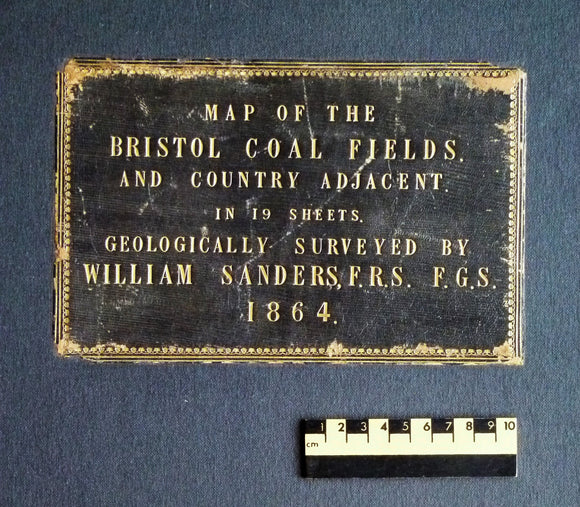
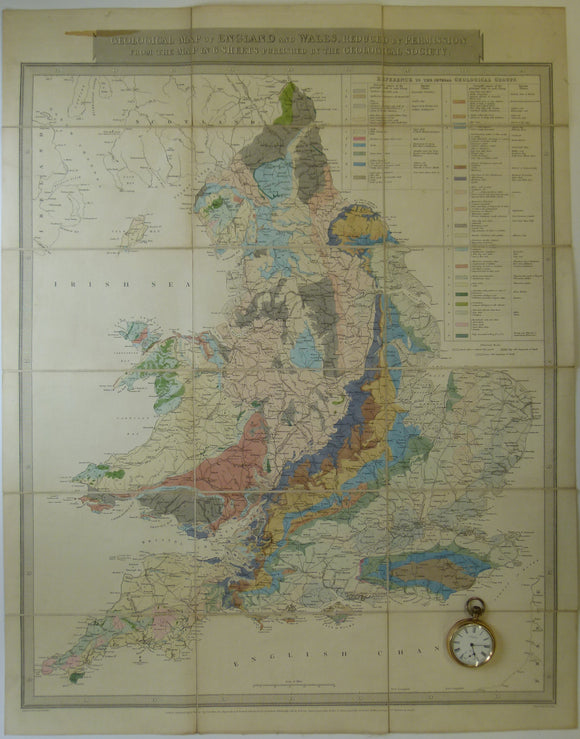
Geology came into being in the nineteenth century. The word geology itself became established; we could very well have  had geognostasy. Geology was the exciting new science of the nineteenth century, much like space exploration or biotechnology in the twentieth. New concepts appeared of unimaginably vast spans of time, of strange extinct creatures, of systematic ways of exploring for economic minerals. The key to defining these concepts and comprehending the formation and structure of the landscapes around us was mapping. Early geologists observed rock exposures in the landscape, quarries and mines, collecting and comparing samples and fossils. Initially, they sketched their observations and interpretations in diagrammatic sections, panoramic views and on the maps of the day. In the nineteenth century, the great national topographic surveys commenced in Europe and its empires and in America to provide a more rigorous base for plotting observations and finds to create more accurate geological maps and sections.
|
|
Read more...
|
|
|
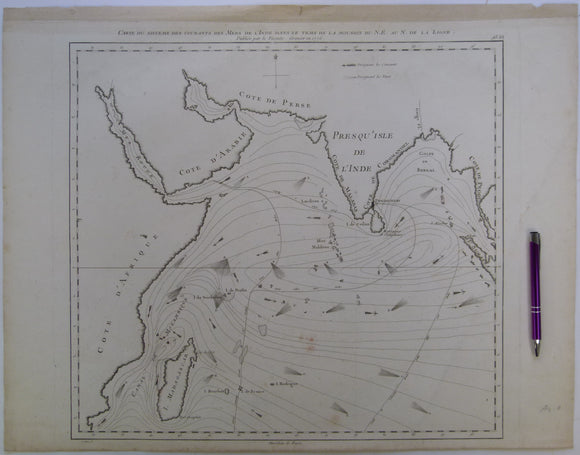
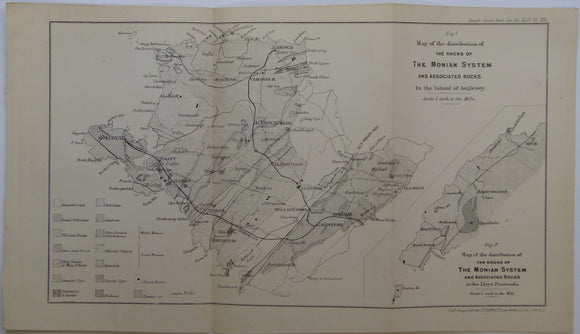
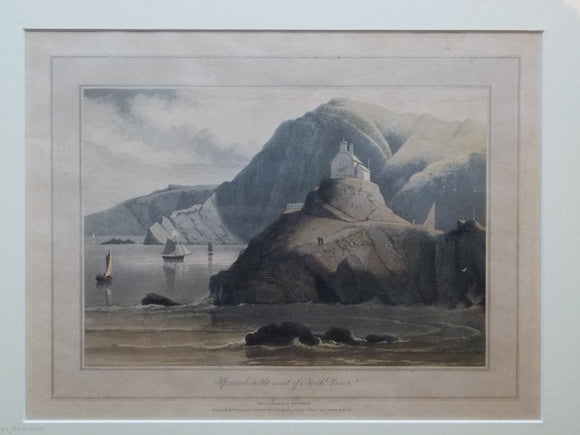
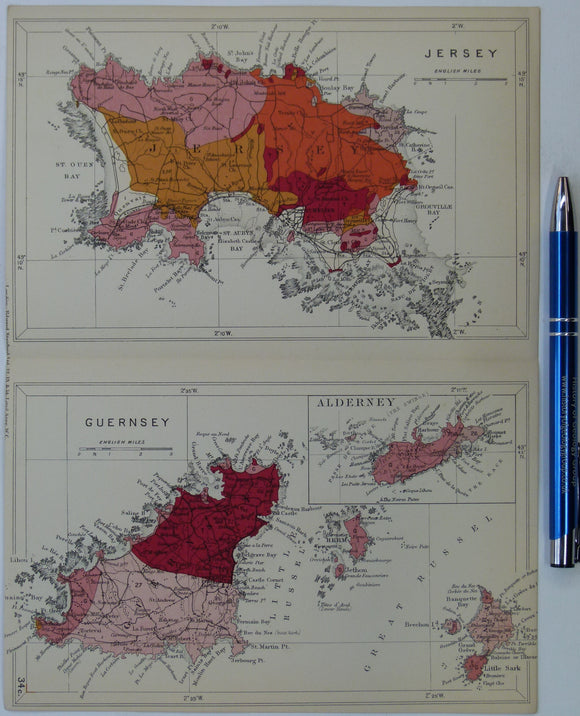
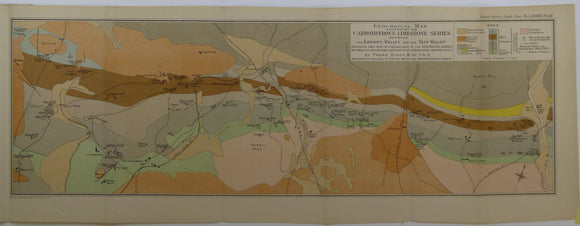
The record of the developing science of geology is preserved in fine maps and sections and in detailed drawings of fossils, minerals, mines. The cartographer’s art in the design of the maps together with the draughtsman’s skill in hachuring, fine line work and copper-plate lettering created beautiful and useful engravings. Water colour applied in translucent washes by hand over the engravings created beautiful maps, sections and illustrations of the geology. These are to be found as published survey maps, in memoirs and reports of the new national geological surveys and in journals for professionals and books published to satisfy the enormous popular interest in geology. The engraving and colouring combine as beautifully executed cartographic or graphic art.
|
|
Read more...
|
Maps, sections and illustrations are purchased, usually by and for geologists. Geologists, professional and amateur, are generally interested in specific areas, geologic periods, or subject areas. Many non-geologists purchase geological maps that show their home area. Not only does the geology provide colour, the topographic base map shows a stage of local history. Maps provide interest to the geologist and historian. The maps, sections and illustrations are works of art; they are stimulating to read and beautiful to frame and display. John and Annie Henry established Nineteenth Century Geological Maps in 1998. They sell from home, by mail order and at the occasional exhibition. John is a semi-retired consulting geologist who has worked internationally on major civil engineering projects, providing reconnaissance and geohazard mapping ( About Us) Annie is retired from careers in editing and recruitment. She provides essential non-geological sales back-up and strategic advice. Visitors to London, UK, are welcome to visit us to view our stock by prior arrangement. ( Contact Us)The majority of the items in this catalogue are Old Series one-inch and six-inch maps of the Geological Surveys of the Great Britain and Ireland and full sheets of profiles or ‘horizontal’ sections, all published in the period 1855 to 1898. To Come. A large quantity of foreign maps and a collection of classic and antiquarian books on geology and early geologists are at present being catalogued for entry onto this website. As new lists of these maps and books are introduced, past clients and those who register on this website will be notified by email. If you have any specific ‘wants’ that you do not see listed, please call, write or email to see if we can help you
|
|
|